
Discover the art of learning faster in a digital world. Learn proven strategies, AI-powered tools, productivity techniques, and modern learning methods to accelerate knowledge acquisition and academic success.
The digital age has transformed the way we learn. Information is available instantly, online courses are accessible from anywhere, and artificial intelligence can provide personalized learning support within seconds. While these advancements create incredible opportunities, they also present challenges such as information overload, distractions, and shorter attention spans.
Learning faster today is not about consuming more information—it’s about learning smarter. By combining modern technology with proven learning techniques, students and professionals can accelerate knowledge acquisition and achieve better results in less time.
Why Learning Faster Matters
The world is changing rapidly, and new skills are constantly emerging.
Fast learners often benefit from:
- Better academic performance
- Career advancement opportunities
- Increased adaptability
- Improved confidence
- Greater productivity
- Lifelong learning success
The ability to learn efficiently has become one of the most valuable skills of the 21st century.
How Digital Technology Has Changed Learning
Technology has revolutionized education through:
- Online learning platforms
- AI-powered study tools
- Virtual classrooms
- Mobile learning applications
- Interactive educational content
Students now have access to more knowledge than ever before.
1. Focus on Active Learning
Passive reading rarely produces long-term retention.
Instead, practice:
- Self-testing
- Solving problems
- Teaching concepts
- Creating summaries
Active learning forces your brain to process and retain information more effectively.
2. Use Active Recall
Active Recall is one of the most effective learning methods available.
Examples include:
- Flashcards
- Practice quizzes
- Mock tests
- Question-and-answer exercises
Retrieving information from memory strengthens learning and improves recall.
3. Apply Spaced Repetition
Reviewing information at strategic intervals helps prevent forgetting.
Suggested review schedule:
- Day 1
- Day 3
- Day 7
- Day 14
- Day 30
Spaced Repetition improves long-term memory retention.
4. Leverage AI-Powered Learning Tools
Artificial Intelligence can enhance learning efficiency.
Popular tools include:
- ChatGPT
- Google Gemini
- Quizlet AI
- Notion AI
- Grammarly
AI can explain concepts, generate quizzes, summarize information, and create study plans.
5. Learn Through Multiple Formats
Different formats engage different parts of the brain.
Combine:
- Videos
- Articles
- Podcasts
- Infographics
- Interactive exercises
This approach strengthens understanding and retention.
6. Practice Digital Note-Taking
Digital note-taking tools help organize information efficiently.
Useful platforms include:
- Notion
- OneNote
- Google Keep
- Evernote
Well-organized notes make revision faster and more effective.
7. Eliminate Digital Distractions
Technology can be both helpful and distracting.
Reduce interruptions by:
- Turning off notifications
- Blocking distracting websites
- Using focus applications
- Creating dedicated study periods
Focused attention significantly improves learning speed.
8. Follow the 80/20 Rule
The Pareto Principle suggests that a small portion of information often produces most results.
Focus on:
- Core concepts
- Frequently tested topics
- High-impact skills
Prioritization accelerates learning progress.
9. Learn by Doing
Practical application is one of the fastest ways to master new knowledge.
Examples include:
- Coding projects
- Case studies
- Simulations
- Real-world practice
Experience reinforces theoretical learning.
10. Develop Strong Reading Skills
Efficient reading increases learning speed.
Strategies include:
- Skimming for key ideas
- Identifying important concepts
- Taking concise notes
- Reviewing summaries
Effective reading helps process information more quickly.
11. Use Microlearning
Microlearning breaks complex topics into smaller lessons.
Benefits include:
- Better concentration
- Reduced cognitive overload
- Improved retention
- Flexible learning schedules
Short learning sessions often outperform lengthy study marathons.
12. Master Time Management
Learning faster requires effective use of time.
Helpful techniques include:
- Time blocking
- Daily planning
- Task prioritization
- Productivity tracking
Well-managed time leads to better learning outcomes.
13. Strengthen Critical Thinking
Fast learning is not just about memorization.
Develop skills such as:
- Analysis
- Evaluation
- Problem-solving
- Logical reasoning
Critical thinking improves understanding and application.
14. Maintain Physical and Mental Health
Brain performance depends heavily on overall well-being.
Important habits include:
- Regular exercise
- Healthy nutrition
- Proper hydration
- Quality sleep
A healthy brain learns more efficiently.
15. Commit to Lifelong Learning
The most successful learners never stop growing.
Develop habits such as:
- Daily reading
- Continuous skill development
- Curiosity-driven learning
- Exploring new topics
Lifelong learning creates lasting personal and professional success.
Common Mistakes That Slow Learning
Avoid these common pitfalls:
- Multitasking
- Passive rereading
- Cramming before exams
- Ignoring breaks
- Overloading information
- Excessive social media use
Removing ineffective habits can dramatically improve learning speed.
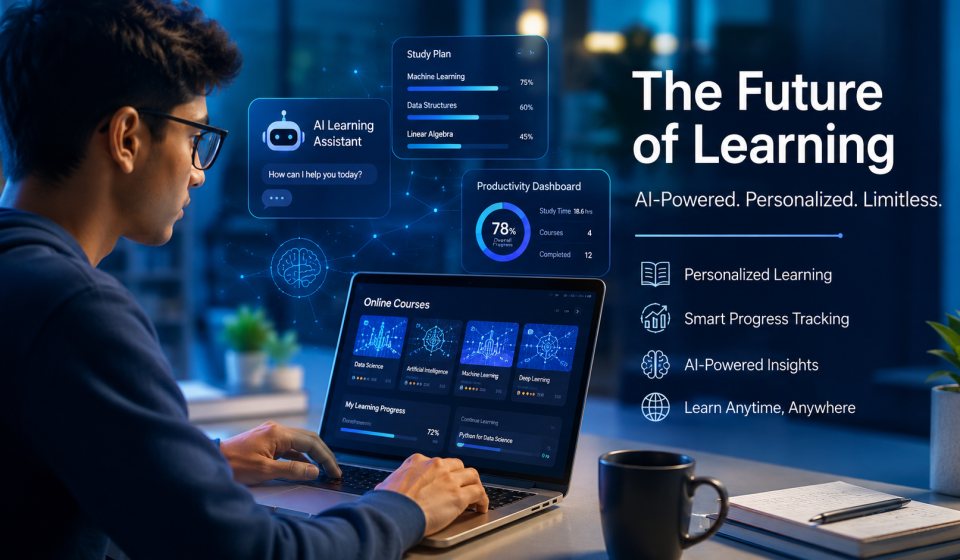
The Future of Learning
Emerging technologies will continue transforming education.
Future trends include:
- Personalized AI tutors
- Adaptive learning platforms
- Virtual reality classrooms
- Predictive learning analytics
- Immersive educational experiences
Digital learning will become increasingly customized and effective.
Benefits of Learning Faster
Students and professionals who learn efficiently often experience:
- Improved academic performance
- Better career opportunities
- Increased confidence
- Greater adaptability
- Enhanced productivity
- Continuous personal growth
Learning faster creates a competitive advantage in a knowledge-driven world.
Sources
- Khan Academy
- Coursera
- edX
- MIT OpenCourseWare
- Google for Education
- OpenAI ChatGPT
- World Economic Forum
Conclusion
The art of learning faster in a digital world involves combining proven learning science with modern technology. Techniques such as Active Recall, Spaced Repetition, microlearning, and AI-assisted education can significantly improve knowledge retention and learning efficiency. By focusing on high-impact learning strategies, managing distractions, and embracing lifelong learning, individuals can thrive in an increasingly digital and information-rich environment. The future belongs to those who can learn, adapt, and grow continuously.
Frequently Asked Questions (FAQs)
What does learning faster mean?
Learning faster means understanding, retaining, and applying knowledge more efficiently without sacrificing comprehension.
What is the best technique for learning faster?
Active Recall and Spaced Repetition are among the most effective evidence-based learning techniques.
How can AI help students learn faster?
AI tools can explain concepts, generate quizzes, summarize content, and create personalized study plans.
What is microlearning?
Microlearning involves studying information in short, focused lessons that improve retention and engagement.
Why is Active Recall effective?
It strengthens memory by forcing the brain to retrieve information rather than passively review it.
How does Spaced Repetition work?
It reviews information at increasing intervals to improve long-term retention and reduce forgetting.
Can digital tools improve learning?
Yes. Educational apps, AI assistants, and online learning platforms can enhance organization and learning efficiency.
What habits slow down learning?
Multitasking, procrastination, cramming, excessive distractions, and passive studying can reduce learning effectiveness.
How important is sleep for learning?
Sleep is essential for memory consolidation, focus, and cognitive performance.
What is the future of digital learning?
The future includes AI tutors, adaptive learning systems, virtual reality education, and highly personalized learning experiences.