
Explore the top study abroad scholarships for international students in 2026. Learn about fully funded and partial scholarships, eligibility requirements, and application tips to study overseas.
Studying abroad offers students the opportunity to receive a world-class education, experience different cultures, and build valuable international connections. However, tuition fees, living expenses, travel costs, and other educational expenses can make overseas education expensive for many students.
Fortunately, numerous scholarships are available to help international students achieve their academic goals. Governments, universities, international organisations, and private foundations offer scholarships that cover tuition fees, living costs, travel expenses, or a combination of these benefits. Knowing the available opportunities can significantly reduce the financial burden of studying abroad.
This guide highlights some of the top study abroad scholarships for international students in 2026, explains their benefits, and provides practical advice for preparing a strong scholarship application.
Why Study Abroad Scholarships Matter
Scholarships make international education more accessible by reducing financial barriers. They also recognise academic excellence, leadership potential, research ability, community involvement, and other achievements.
Receiving a scholarship can provide benefits such as:
- Reduced tuition costs
- Living expense support
- Travel allowances
- Health insurance assistance
- Research funding
- Greater access to leading universities
- Improved career opportunities
Many scholarships also provide networking opportunities and professional development programmes that support students throughout their studies.
Types of Study Abroad Scholarships
Scholarships are available in different forms depending on the funding organisation and eligibility criteria.
Common scholarship types include:
- Fully funded scholarships
- Partial scholarships
- Merit-based scholarships
- Need-based scholarships
- Government-funded scholarships
- University scholarships
- Research scholarships
- Subject-specific scholarships
- Country-specific scholarships
Understanding the different categories helps students identify opportunities that match their qualifications and goals.
Chevening Scholarships (United Kingdom)
Chevening Scholarships are funded by the UK Government and support outstanding international students pursuing one-year master’s degrees at UK universities. The programme focuses on developing future leaders and professionals from around the world. (Study UK)
Key benefits include:
- Full tuition fees
- Monthly living allowance
- Return airfare
- Arrival and departure allowances
- Networking opportunities
Applicants are generally expected to demonstrate strong leadership potential and relevant professional or academic achievements.
Fulbright Foreign Student Program (United States)
The Fulbright Foreign Student Program is one of the world’s most recognised international scholarship programmes. It enables students, researchers, and young professionals to pursue postgraduate study or research in the United States.
Benefits commonly include:
- Tuition support
- Living expenses
- Health insurance
- Travel funding
- Academic support
Eligibility requirements vary by country, and applications are usually managed through local Fulbright commissions or U.S. embassies.
Erasmus+ Scholarships (Europe)
Erasmus+ supports students who wish to study at participating universities across Europe. The programme encourages international academic collaboration and student mobility.
Scholarship support may include:
- Tuition assistance
- Monthly living allowance
- Travel grants
- Mobility support
- Academic exchange opportunities
Eligibility depends on the chosen programme and participating institutions.
DAAD Scholarships (Germany)
The German Academic Exchange Service (DAAD) offers scholarships for international students pursuing postgraduate studies and research in Germany.
DAAD scholarships may provide:
- Monthly financial support
- Health insurance
- Travel allowances
- Research funding
- Language course support
The programme covers a wide range of academic disciplines and attracts students from many countries.
Australia Awards Scholarships
Australia Awards Scholarships are funded by the Australian Government to support students from eligible countries who wish to undertake higher education in Australia. (Scholarships for Development)
Scholarships often include:
- Full tuition fees
- Living expenses
- Return travel
- Overseas health cover
- Academic support
Recipients are encouraged to apply their knowledge and skills to contribute to the development of their home countries after graduation.
GREAT Scholarships (United Kingdom)
GREAT Scholarships are offered through partnerships between UK universities and the British Council. They support international students enrolling in postgraduate programmes across a variety of subjects. (Study UK)
Benefits generally include:
- Tuition fee contributions
- Access to leading UK universities
- Opportunities across multiple academic disciplines
The number of participating universities and eligible countries varies each year.
Commonwealth Scholarships
Commonwealth Scholarships support students from eligible Commonwealth countries who wish to pursue postgraduate education in the United Kingdom.
Funding may include:
- Tuition fees
- Living allowance
- Return flights
- Thesis grants where applicable
- Study-related expenses
The programme is designed to support talented students who can contribute to sustainable development in their home countries.
Swiss Government Excellence Scholarships
Switzerland offers scholarships for international postgraduate researchers, doctoral candidates, and postdoctoral researchers.
These scholarships may provide:
- Monthly stipend
- Tuition support where applicable
- Health insurance
- Research opportunities
- Access to Swiss universities and research institutions
Applicants usually require support from a host institution before applying.
MEXT Scholarships (Japan)
The Japanese Government’s MEXT Scholarship supports international students pursuing undergraduate, postgraduate, or research programmes in Japan.
Benefits commonly include:
- Tuition fee exemption
- Monthly allowance
- Airfare
- Preparatory language training where required
The programme promotes educational exchange between Japan and participating countries.
National Overseas Scholarship (India)
For eligible Indian students from specified communities, the National Overseas Scholarship provides financial assistance for master’s and doctoral studies abroad. (No SMS JE)
Support may include:
- Tuition fees
- Living expenses
- Contingency allowance
- Visa costs
- Airfare
Eligibility is subject to income limits, community criteria, and other government requirements.
University-Specific Scholarships
Many universities offer scholarships directly to international students based on academic achievement, leadership, financial need, or extracurricular involvement.
Examples include scholarships offered by universities in:
- United Kingdom
- United States
- Canada
- Australia
- Germany
- Netherlands
- Ireland
- New Zealand
Students should always check the official scholarship pages of their chosen universities for the latest opportunities.
How to Choose the Right Scholarship
Not every scholarship will suit every student. Before applying, carefully compare eligibility criteria and funding benefits.
Consider factors such as:
- Destination country
- Degree level
- Field of study
- Academic requirements
- Financial coverage
- Application deadlines
- English language requirements
Selecting scholarships that closely match your qualifications can improve your chances of success.
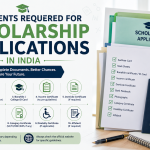
Documents Commonly Required
Most study abroad scholarship applications require supporting documents to verify eligibility.
Common documents include:
- Passport
- Academic transcripts
- Degree certificates
- English language test scores
- Statement of purpose
- Curriculum vitae (CV)
- Letters of recommendation
- Admission letter (if applicable)
- Research proposal (for research programmes)
Always review the official application guidelines before submitting your documents.
Tips for Winning a Scholarship
A strong application can make a significant difference when scholarship competition is high.
Helpful tips include:
- Apply early.
- Read all eligibility requirements carefully.
- Write a personalised statement of purpose.
- Obtain strong recommendation letters.
- Highlight academic achievements and leadership experience.
- Demonstrate community involvement.
- Proofread all application materials.
- Submit complete documentation before the deadline.
Careful preparation increases the likelihood of a successful application.
Common Mistakes to Avoid
Many scholarship applications are unsuccessful because of avoidable errors.
Avoid:
- Missing deadlines
- Submitting incomplete applications
- Uploading incorrect documents
- Using generic personal statements
- Ignoring eligibility requirements
- Providing inaccurate information
- Failing to proofread
Attention to detail is essential throughout the application process.
Sources
- https://study-uk.britishcouncil.org/scholarships-funding (Study UK)
- https://www.topuniversities.com/student-info/scholarship-advice/scholarships-study-abroad (Top Universities)
- https://www.topuniversities.com/student-info/scholarship-advice/international-scholarships-indian-students (Top Universities)
- https://nosmsje.gov.in/ (No SMS JE)
- https://www.iie.org/scholarships-programs/ (IIE)
Conclusion
Study abroad scholarships provide valuable financial support that helps international students access quality education at leading universities around the world. Whether offered by governments, universities, or international organisations, these scholarships can significantly reduce the cost of tuition, accommodation, travel, and other educational expenses.
Students planning to study abroad in 2026 should begin researching scholarship opportunities well in advance, carefully review eligibility criteria, and prepare strong application materials. Applying to multiple scholarships and submitting complete, well-prepared applications can improve the chances of securing financial assistance.
With careful planning and determination, scholarships can make international education more affordable and open the door to valuable academic, personal, and professional opportunities.
Frequently Asked Questions (FAQs)
1. What is the best study abroad scholarship for international students in 2026?
There is no single best scholarship for everyone. Popular options include Chevening Scholarships, Fulbright, Erasmus+, DAAD, Australia Awards, Commonwealth Scholarships, and university-specific funding. The right choice depends on your destination, course, and eligibility.
2. Are fully funded scholarships available for international students?
Yes. Many scholarship programmes cover tuition fees, living expenses, travel costs, and health insurance. Examples include Chevening, Fulbright, Australia Awards, and some Commonwealth Scholarships.
3. Can undergraduate students apply for study abroad scholarships?
Yes. Many universities and government programmes offer scholarships for undergraduate students, although the availability varies by country and institution.
4. What documents are usually required for scholarship applications?
Common documents include academic transcripts, passport, English language test results, statement of purpose, recommendation letters, CV, admission letter, and research proposal where applicable.
5. When should I apply for study abroad scholarships?
Most scholarship applications open several months before the academic year begins. Students should check official scholarship websites regularly and prepare their documents early.
6. Do I need an English language test for international scholarships?
Many scholarships require proof of English proficiency through recognised tests if the course is taught in English. The exact requirement depends on the university and scholarship provider.
7. Can I apply for more than one scholarship?
Yes. Students are generally encouraged to apply for multiple scholarships if they meet the eligibility requirements. This increases the likelihood of receiving financial support.
8. Where can I find official study abroad scholarship opportunities?
Official scholarship opportunities can be found on government education websites, university websites, scholarship programme portals, and recognised international education organisations.