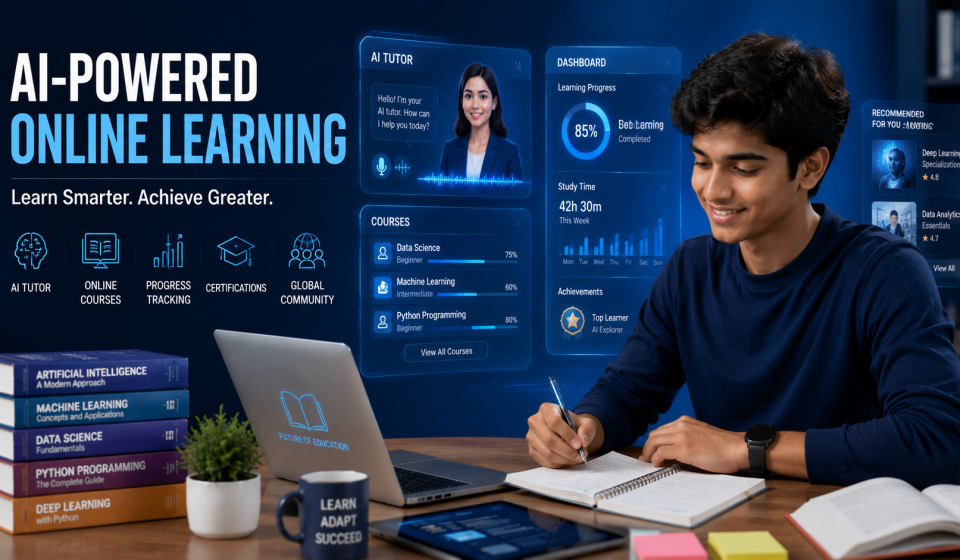

Explore the digital learning revolution and discover how online education, AI-powered tools, virtual classrooms, and modern technology are transforming the future of learning for students in 2026.
The world of education is changing faster than ever before. With the rise of online learning platforms, artificial intelligence, virtual classrooms, and digital educational tools, students now have access to learning opportunities that were unimaginable a decade ago. This transformation is known as the Digital Learning Revolution.
As technology continues to evolve, students must understand how digital learning works and how it can help them achieve academic success.
What Is Digital Learning?
Digital learning refers to any form of education that uses technology to deliver learning experiences.
Examples include:
- Online courses
- Virtual classrooms
- Educational apps
- AI-powered learning tools
- Digital textbooks
- Video-based lessons
- Interactive learning platforms
Digital learning allows students to access educational resources anytime and anywhere.
Why Digital Learning Is Growing Rapidly
Several factors have contributed to the growth of digital education.
Increased Accessibility
Students can learn from virtually any location with internet access.
Flexible Learning
Digital platforms allow learners to study at their own pace.
Personalized Education
Technology can adapt lessons to match individual learning needs.
Cost-Effective Learning
Many online resources are affordable or completely free.
Key Technologies Driving the Digital Learning Revolution
Artificial Intelligence (AI)
AI-powered tools help students:
- Understand difficult concepts
- Generate study plans
- Receive instant feedback
- Improve productivity
Virtual Classrooms
Virtual classrooms connect students and teachers through video conferencing and interactive learning tools.
Learning Management Systems (LMS)
These platforms help manage courses, assignments, assessments, and communication.
Mobile Learning
Students can learn using smartphones and tablets through educational applications.
Cloud Technology
Cloud-based systems allow students to access notes, assignments, and resources from any device.
Benefits of Digital Learning for Students
Learn Anytime, Anywhere
Students are no longer limited by classroom walls.
Personalized Learning Experiences
Technology can adjust content according to a student’s learning pace and abilities.
Better Access to Educational Resources
Students can access thousands of courses, tutorials, videos, and e-books online.
Improved Collaboration
Digital platforms make it easier for students to work together on projects and assignments.
Enhanced Engagement
Interactive content such as videos, quizzes, simulations, and games makes learning more engaging.
Popular Digital Learning Tools
Students commonly use:
- ChatGPT
- Google Classroom
- Quizlet
- Khan Academy
- Coursera
- edX
- Notion AI
- Grammarly
- Duolingo
These tools support learning, productivity, and skill development.
Challenges of Digital Learning
Despite its benefits, digital learning also presents challenges.
Screen Fatigue
Extended screen time can affect focus and well-being.
Internet Dependence
Reliable internet access is necessary for most digital learning platforms.
Distractions
Social media and entertainment platforms can reduce productivity.
Digital Divide
Not all students have equal access to technology and internet connectivity.
Skills Students Need in the Digital Age
Digital Literacy
Students should understand how to use technology safely and effectively.
Time Management
Online learning often requires greater self-discipline.
Critical Thinking
Students must evaluate information carefully and verify sources.
Communication Skills
Digital collaboration requires effective online communication.
Adaptability
Technology changes rapidly, making adaptability an essential skill.
How Students Can Succeed in Digital Learning
Create a Dedicated Study Space
A quiet and organized environment improves concentration.
Follow a Study Schedule
Consistency helps maintain productivity.
Use Educational Technology Wisely
Focus on tools that support learning rather than distractions.
Stay Organized
Track assignments, deadlines, and study goals.
Balance Screen Time
Take regular breaks to maintain physical and mental health.
The Future of Digital Learning
The future of education is expected to include:
- AI-powered tutors
- Personalized learning pathways
- Virtual reality classrooms
- Augmented reality learning experiences
- Smart assessments
- Adaptive learning systems
Technology will continue to make education more accessible, engaging, and personalized.
Why Digital Learning Matters for Future Careers
Employers increasingly value digital skills.
Digital learning helps students:
- Develop technology skills
- Learn independently
- Improve communication abilities
- Build adaptability
- Prepare for modern workplaces
Students who embrace digital learning are better positioned for future career opportunities.
Sources
Conclusion
The digital learning revolution is reshaping education around the world. With advancements in AI, virtual classrooms, mobile learning, and online education platforms, students now have more opportunities than ever to learn and grow. While challenges such as screen fatigue and digital distractions exist, the benefits of digital learning far outweigh the limitations. By developing digital literacy, maintaining discipline, and using technology responsibly, students can thrive in the modern educational landscape and prepare themselves for future success.
Frequently Asked Questions (FAQs)
What is digital learning?
Digital learning is education delivered through technology such as online courses, virtual classrooms, apps, and digital resources.
Why is digital learning important?
It provides flexible, accessible, and personalized learning opportunities for students worldwide.
What are the benefits of digital learning?
Benefits include flexible schedules, personalized learning, access to resources, improved collaboration, and enhanced engagement.
What are the challenges of digital learning?
Common challenges include screen fatigue, internet dependence, distractions, and unequal access to technology.
How does AI support digital learning?
AI provides personalized learning paths, instant feedback, intelligent tutoring, and study assistance.
What skills are important for digital learning?
Digital literacy, time management, critical thinking, communication, and adaptability are essential skills.
Can digital learning replace traditional classrooms?
Digital learning complements traditional education but does not fully replace the value of teacher guidance and classroom interaction.
What are some popular digital learning platforms?
Popular platforms include Khan Academy, Coursera, edX, Google Classroom, Quizlet, and ChatGPT.
How can students stay focused while learning online?
Creating a study schedule, minimizing distractions, and taking regular breaks can improve focus.
What is the future of digital learning?
The future includes AI tutors, virtual reality classrooms, adaptive learning systems, and personalized education experiences.