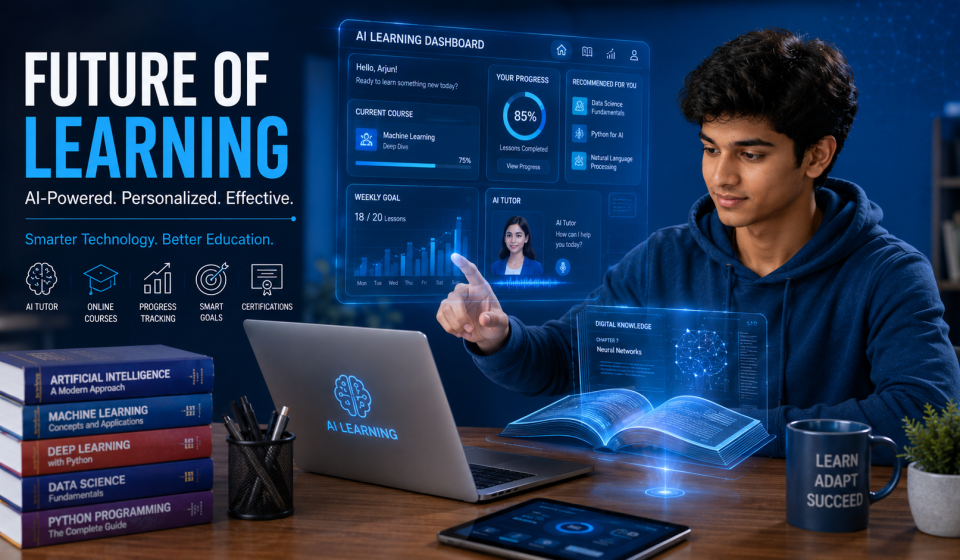

Discover how technology is transforming education in 2026. Learn about AI-powered learning, virtual classrooms, personalized education, digital tools, and the future of student success.
Technology has become one of the most powerful forces shaping modern education. In 2026, students are learning through AI-powered tools, virtual classrooms, interactive learning platforms, and personalized educational experiences. Traditional teaching methods are evolving rapidly as schools, colleges, and online learning platforms embrace innovative technologies.
The transformation is making education more accessible, engaging, and effective than ever before.
Why Technology Is Important in Modern Education
Technology helps bridge learning gaps and provides students with opportunities that extend beyond traditional classrooms.
Key benefits include:
- Greater accessibility
- Personalized learning
- Improved engagement
- Better collaboration
- Flexible education options
- Enhanced productivity
Students today can learn from anywhere in the world with just an internet connection.
Artificial Intelligence Is Revolutionizing Learning
Artificial Intelligence (AI) is one of the biggest educational innovations in 2026.
AI helps students by:
- Providing personalized learning paths
- Generating study plans
- Offering instant feedback
- Answering academic questions
- Identifying learning weaknesses
Popular AI learning tools include ChatGPT, Khanmigo, Grammarly, and Notion AI.
Personalized Learning Experiences
Every student learns differently.
Technology now allows educational platforms to:
- Adapt content to student needs
- Recommend learning resources
- Adjust lesson difficulty
- Track individual progress
This personalized approach improves learning outcomes and student confidence.
Virtual Classrooms Are Becoming More Common
Virtual classrooms allow students and teachers to connect regardless of location.
Advantages include:
- Flexible learning schedules
- Remote education opportunities
- Real-time communication
- Interactive learning sessions
Students can attend classes from home while maintaining engagement with instructors.
Digital Learning Platforms Are Expanding Access
Online platforms have transformed education.
Examples include:
- Khan Academy
- Coursera
- edX
- Udemy
- Google Classroom
These platforms provide access to courses, certifications, and educational resources worldwide.
Smart Devices Are Enhancing Learning
Students now use:
- Laptops
- Tablets
- Smartphones
- Interactive whiteboards
- E-books
These devices provide instant access to educational materials and learning tools.
Gamification Makes Learning More Engaging
Gamification uses game-like elements to increase student motivation.
Examples include:
- Points systems
- Leaderboards
- Achievement badges
- Interactive quizzes
Gamified learning encourages participation and improves knowledge retention.
Cloud Technology Supports Collaboration
Cloud-based tools allow students and teachers to collaborate efficiently.
Benefits include:
- Real-time document sharing
- Group projects
- Easy file access
- Automatic backups
Cloud technology has simplified communication and teamwork in education.
Virtual Reality and Augmented Reality
VR and AR are creating immersive learning experiences.
Applications include:
- Virtual science labs
- Historical simulations
- Medical training
- Interactive field trips
These technologies help students understand complex concepts through hands-on experiences.
Technology Improves Accessibility
Technology supports students with diverse learning needs.
Examples include:
- Text-to-speech tools
- Speech recognition software
- Translation features
- Screen readers
- Adaptive learning systems
This makes education more inclusive and accessible.
Benefits of Technology in Education
Better Learning Outcomes
Interactive learning improves understanding and retention.
Increased Flexibility
Students can learn anytime and anywhere.
Enhanced Engagement
Digital tools make lessons more interesting and interactive.
Faster Access to Information
Educational resources are available instantly.
Improved Collaboration
Technology connects students and teachers across the globe.
Challenges of Technology in Education
Despite its advantages, technology also presents challenges.
Digital Distractions
Social media and entertainment platforms can reduce productivity.
Screen Fatigue
Excessive screen time may affect concentration and well-being.
Internet Dependency
Most digital learning tools require reliable internet access.
Cybersecurity Concerns
Educational institutions must protect student data and privacy.
Skills Students Need in the Digital Era
To succeed in 2026, students should develop:
Digital Literacy
Understanding how to use technology effectively and safely.
Critical Thinking
Evaluating information and making informed decisions.
Communication Skills
Collaborating through digital platforms.
Adaptability
Adjusting to rapidly changing technologies.
Problem-Solving Skills
Using technology creatively to overcome challenges.
The Future of Education
Technology will continue to reshape learning through:
- AI-powered tutors
- Personalized learning systems
- Smart classrooms
- Virtual reality education
- Predictive learning analytics
- Advanced educational platforms
The future classroom will combine technology with human expertise to create richer learning experiences.
How Students Can Benefit From Educational Technology
Students can maximize benefits by:
- Using technology for learning rather than distraction
- Practicing good time management
- Exploring online courses
- Leveraging AI learning tools responsibly
- Developing digital skills
When used correctly, technology becomes a powerful educational partner.
Sources
Conclusion
Technology is transforming education in 2026 by making learning more personalized, accessible, and engaging. From AI-powered learning assistants and virtual classrooms to immersive VR experiences and cloud-based collaboration tools, students now have unprecedented opportunities to enhance their education. While challenges such as digital distractions and cybersecurity concerns remain, the benefits of educational technology continue to drive innovation and improve learning outcomes. Students who embrace technology responsibly will be better prepared for academic success and future careers.
Frequently Asked Questions (FAQs)
How is technology transforming education in 2026?
Technology is improving education through AI-powered learning, virtual classrooms, personalized instruction, and interactive digital tools.
What role does AI play in education?
AI provides personalized learning experiences, instant feedback, intelligent tutoring, and academic support.
What are the benefits of educational technology?
Benefits include better accessibility, improved engagement, personalized learning, and flexible study options.
What are virtual classrooms?
Virtual classrooms are online learning environments where students and teachers interact through digital platforms.
How does technology improve student learning?
Technology provides access to resources, interactive content, collaboration tools, and personalized educational experiences.
What are the challenges of technology in education?
Challenges include distractions, screen fatigue, cybersecurity concerns, and internet dependency.
Can technology replace teachers?
No. Technology supports teachers but cannot replace human mentorship, guidance, and emotional support.
What skills are important for students in the digital age?
Digital literacy, communication, critical thinking, adaptability, and problem-solving skills are essential.
What is personalized learning?
Personalized learning uses technology to adapt lessons and educational content to individual student needs.
What is the future of educational technology?
The future includes AI tutors, smart classrooms, virtual reality learning, adaptive education systems, and advanced learning analytics.