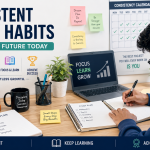

Learn how to master any skill faster with proven learning techniques, deliberate practice, effective study strategies, and science-backed methods for long-term success.
Learning new skills has become one of the most valuable abilities in today’s fast-changing world. Whether you want to learn programming, public speaking, graphic design, a new language, or any other skill, using the right learning methods can dramatically speed up your progress. Instead of relying on talent alone, successful learners focus on consistent practice, effective learning techniques, and continuous improvement.
By understanding how the brain learns and applying science-backed strategies, anyone can develop new skills faster and retain knowledge for the long term.
Why Learning New Skills Is Important
Developing new skills helps you:
- Improve career opportunities
- Increase confidence
- Adapt to changing industries
- Enhance problem-solving abilities
- Support lifelong learning
- Achieve personal and professional growth
Continuous learning keeps you competitive in today’s world.
1. Set Clear Learning Goals
Begin with a specific objective.
Examples include:
- Learn Python programming
- Improve public speaking
- Master graphic design
- Become fluent in a new language
Clear goals provide direction and motivation.
2. Break Skills Into Smaller Parts
Large skills become easier when divided into manageable sections.
For example:
- Learn basic concepts first
- Practice individual techniques
- Combine smaller skills gradually
Small improvements lead to significant progress.
3. Practice Deliberately
Deliberate practice focuses on improving weak areas rather than repeating what you already know.
Effective practice includes:
- Targeting mistakes
- Receiving feedback
- Repeating difficult tasks
- Tracking improvement
Focused practice accelerates learning.
4. Learn by Doing
Practical experience strengthens understanding.
Apply new knowledge through:
- Real-world projects
- Exercises
- Simulations
- Hands-on activities
Active learning improves long-term retention.
5. Use Active Recall
Instead of rereading information, test your memory regularly.
Examples include:
- Flashcards
- Self-quizzes
- Practice questions
- Explaining concepts aloud
Active recall strengthens memory and understanding.
6. Apply Spaced Repetition
Review information over increasing intervals instead of cramming.
Benefits include:
- Better memory retention
- Reduced forgetting
- More effective revision
- Long-term learning
Spaced repetition helps information move into long-term memory.
7. Learn From Experts
Accelerate your progress by studying experienced professionals.
Resources include:
- Books
- Online courses
- Educational videos
- Workshops
Learning from experts helps you avoid common mistakes.
8. Build a Consistent Learning Routine
Consistency is more effective than occasional intensive study.
Create a schedule with:
- Daily practice
- Weekly reviews
- Monthly progress checks
Small daily improvements produce long-term success.
9. Minimize Distractions
Focused attention improves learning speed.
Reduce distractions by:
- Turning off notifications
- Studying in a quiet environment
- Limiting multitasking
- Setting dedicated learning time
Concentration increases learning efficiency.
10. Seek Feedback
Constructive feedback helps identify areas for improvement.
Ask for feedback from:
- Teachers
- Mentors
- Coaches
- Experienced professionals
Continuous feedback speeds up skill development.
11. Learn From Mistakes
Mistakes are valuable learning opportunities.
After making an error:
- Identify the cause
- Understand the correct approach
- Practice again
- Avoid repeating the same mistake
Reflection strengthens learning.
12. Teach Others
Teaching reinforces your own understanding.
Try:
- Explaining concepts to friends
- Creating tutorials
- Joining study groups
- Writing summaries
Teaching helps identify knowledge gaps.
13. Maintain a Growth Mindset
Believe that abilities improve through effort and practice.
A growth mindset encourages you to:
- Accept challenges
- Learn from criticism
- Stay motivated
- Keep improving
Positive thinking supports continuous learning.
14. Take Care of Your Health
Your brain performs best when your body is healthy.
Support learning by:
- Sleeping 7–9 hours
- Eating nutritious meals
- Exercising regularly
- Staying hydrated
Healthy habits improve focus and memory.
15. Stay Patient and Persistent
Learning takes time.
Keep progressing by:
- Celebrating small achievements
- Tracking improvement
- Staying consistent
- Remaining motivated
Persistence is the key to mastering any skill.
Common Mistakes That Slow Learning
Avoid these common mistakes:
- Trying to learn everything at once
- Passive reading without practice
- Skipping revision
- Fear of making mistakes
- Giving up too quickly
- Inconsistent practice
Recognizing these habits helps improve learning efficiency.
Benefits of Learning Skills Faster
Developing efficient learning habits helps you:
- Learn more effectively
- Build confidence
- Improve productivity
- Advance your career
- Adapt to new opportunities
- Become a lifelong learner
Learning faster creates more opportunities for personal and professional success.
Sources
- American Psychological Association (APA)
- Harvard University
- Stanford University
- UNESCO
- Edutopia
- Verywell Mind
- Mind Tools
Conclusion
Learning any skill faster is possible when you combine clear goals, deliberate practice, active learning, and consistent effort. Rather than depending on natural talent, successful learners focus on building effective habits, seeking feedback, and continuously improving their knowledge through practical experience. By applying science-backed learning techniques and maintaining a growth mindset, you can master new skills more efficiently and prepare yourself for long-term success in education, work, and everyday life.
Frequently Asked Questions
1. What is the fastest way to learn a new skill?
The fastest way is to combine deliberate practice, active recall, spaced repetition, hands-on experience, and consistent daily learning.
2. Can anyone learn a new skill quickly?
Yes. With the right learning strategies, regular practice, and persistence, most people can significantly improve their learning speed.
3. Why is deliberate practice important?
Deliberate practice focuses on improving weak areas through targeted exercises and feedback, helping learners progress more efficiently.
4. How does active recall improve learning?
Active recall strengthens memory by requiring you to retrieve information from memory instead of simply rereading notes.
5. What is spaced repetition?
Spaced repetition is a study technique that reviews information at increasing intervals to improve long-term memory and reduce forgetting.
6. How much time should I practice a new skill each day?
Even 30–60 minutes of focused daily practice can produce significant improvement over time when done consistently.
7. Why is feedback important when learning?
Feedback helps identify mistakes, improve techniques, and accelerate skill development by providing guidance from experienced individuals.
8. Can teaching others improve my own learning?
Yes. Teaching reinforces your understanding, strengthens memory, and reveals areas that need further improvement.
9. How does a growth mindset help with learning?
A growth mindset encourages continuous improvement by helping learners embrace challenges, learn from mistakes, and remain motivated.
10. What is the biggest secret to learning any skill faster?
The biggest secret is consistent practice combined with effective learning techniques, patience, and a commitment to continuous improvement.